
Newsletter Subscribe
Enter your email address below and subscribe to our newsletter
Enter your email address below and subscribe to our newsletter

 ByJohn A
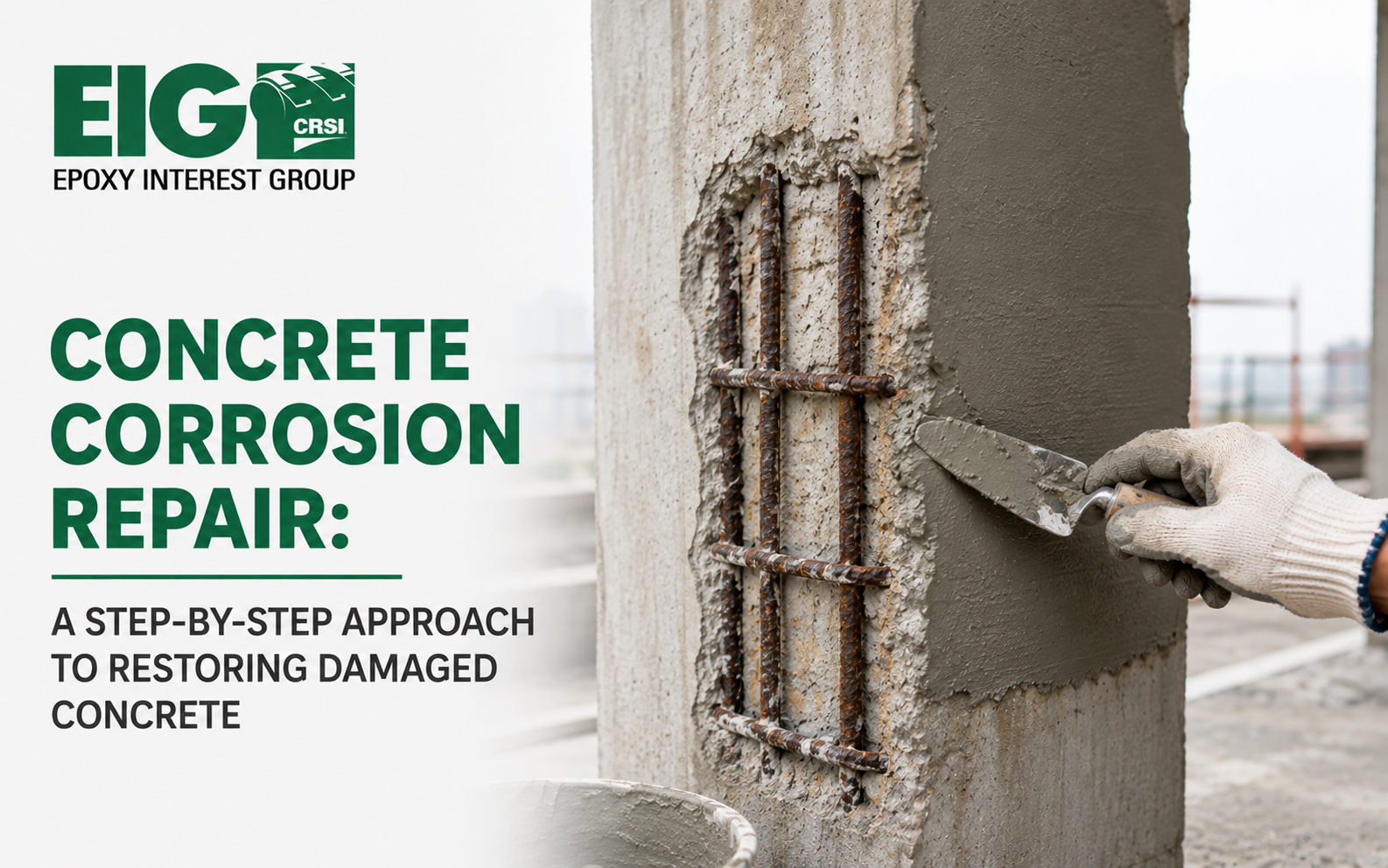
While concrete can last for decades, it is not impervious to wear and tear. Corrosion will start as soon as moisture and chemicals present themselves to the rebar in concrete. Corroded steel expands with speed and can warp, push against the concrete surrounding it, causing cracks, stains, and spalling.
When repairing concrete corrosion, you want to look beyond the visible damage. We should also focus on the cause.
Before repairs can happen, the damaged area needs to be assessed. There may be cracks or rust stains towards the surface caused by corrosion.
A professional examination can show:
Based on this knowledge, it decides which repair method is most adapted.
See also: Can You Really ‘Cure’ a Hormonal Imbalance?
In most cases, loose and defective concrete must be stripped away to access sound material and expose damaged reinforcement.
This is the stage that needs to be handled with care. Inflicting unnecessary harm on healthy concrete or reinforcement can complicate the fix at a later stage.
After the area has been penetrated, it is possible to take a closer look at the steel.
Rusty reinforcement needs to get cleaned out from rust and other dangerous scales. Additional protective treatment would be added depending on the condition of steel & requirements of the project.
The objective is to form an adequate surface while the defective area is remade.
With preparative work, an appropriate repair material can be placed around the treated reinforcement. Material selection is based on consideration of the repair depth, exposure conditions, factors for structural need, and compatibility with the existing concrete.
The basics of the stages should go through can be outlined in a guide to concrete corrosion repair for property owners − but it is important to follow specifications indicated by the individual job and suggestions from an expert.
The problem with corrosion repair is that just because you finish repairing the concrete didn’t mean the risk of corrosion has been eliminated. This will still be affected if the structure has undergone, for example, water entry or chemical exposure.
Routine inspections can detect preliminary cracks, stains, or damage. In appropriate cases, protective measures may also be used pre-emptively in order to mitigate future exposure.
Corrosion may become higher if no motion is taken. Proper diagnosis & timely intervention can help to prevent further aggravation.
Grasping the process with a guide on how to repair concrete corrosion offers insight into why proper assessment, reinforcement treatment, concreting restoration, and regular maintenance are vital. A planned repair can enable concrete to keep the structure, and safe maintain its useful life, however.
