Newsletter Subscribe
Enter your email address below and subscribe to our newsletter
Enter your email address below and subscribe to our newsletter

 ByJohn A
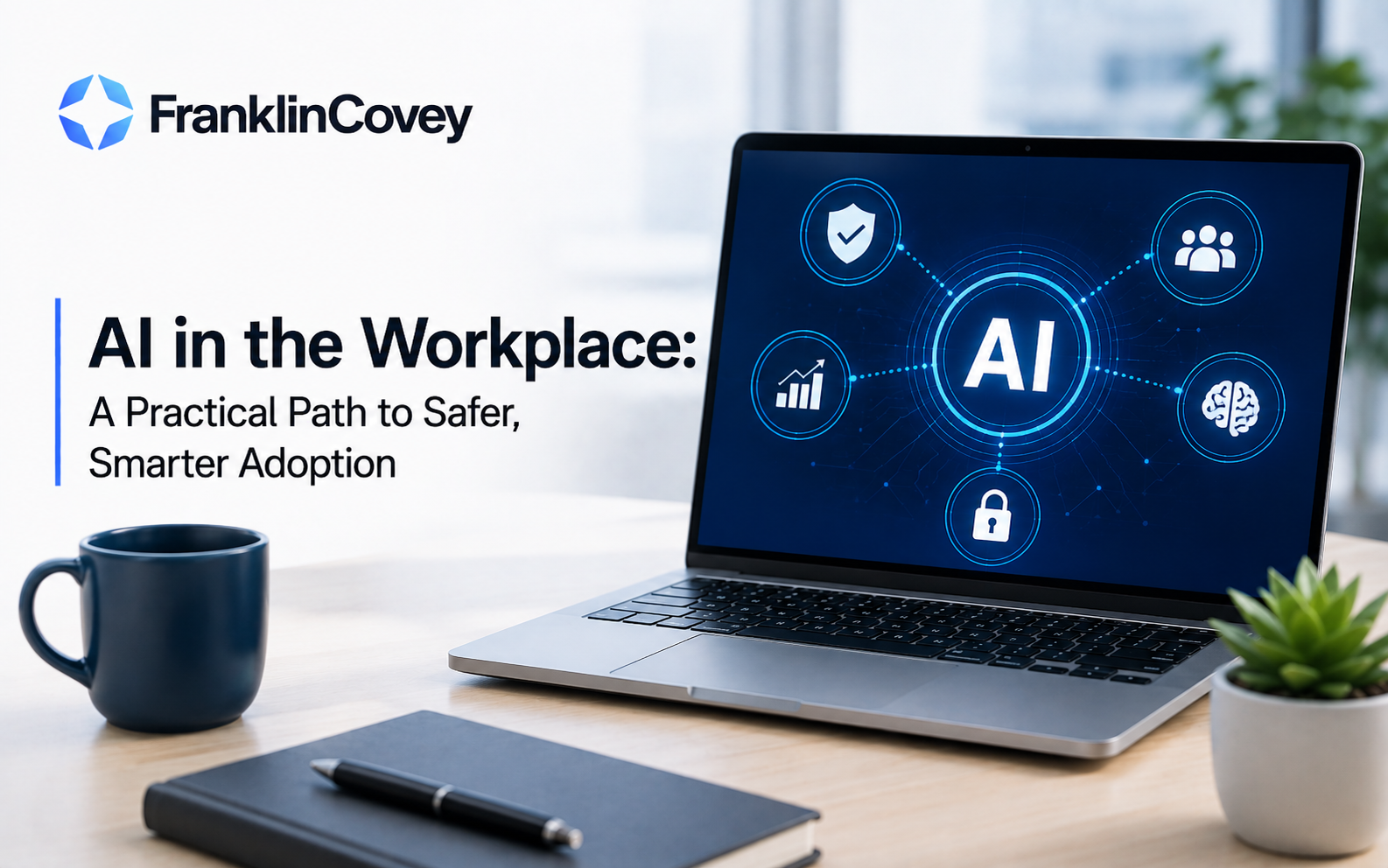
Artificial intelligence is integrating into the day-to-day tasks of many business processes. It can be used by employees to write emails, summarize documents, crunch data, or do repetitive tasks. While AI saves times in the workplace, it can be problematic to bring it into your workplace uninhibited with no ground rules.
The key to success lies in starting small, a few useful applications, and establishing stringent supervision.
While AI brings amazing tools to the modern workplace, not every workplace task is feasible for AI. Companies should start with work that is repeatable, easy to validate, and not subject to sensitive discretion.
Good starting points may include:
These applications create learning opportunities while engaging people in the end product.
See also: Can You Really ‘Cure’ a Hormonal Imbalance?
Data security is one of the winning concerns associated with AI in the work place. Employees may be dealing with customer information, financial records, business plans, and even proprietary documents.
Companies should know which factors each AI tool takes into account and how those tools will handle the data that a user provides before using any of them. Access controls, too, should be explicit.
Workers should understand what information they can provide to an AI system − and what must stay within approved business systems.
You work better with AI when you tell the team what is expected well before they get to adopt it. Workplace AI policy can varnish approved tools for use, acceptable uses, review requirements and rules on how data is handled.
Area of work humans should intervene, businesses must identify the tasks. In general, never make important decisions based on AI-generated output without verification.
AI can produce inaccurate information. It can mistranslate a request, fabricate realities, or overlook important context.
Training should help employees understand that they need to examine the data generated by AI before consumption. If your work will be legal, financial, customer-facing, or otherwise, high-impact it matters even more.
Those that want to safely test implementing AI in the workplace safely can learn important lessons by running tests with low-risk tasks.
AI in the workplace should be utilized to help employees, not take away their accountability. Humans must continue to be the ones who are responsible for major decisions and end products.
AI can deliver the benefit of automation to businesses safely by preventing themselves from unwittingly making self-harming decisions. The four pillars of responsible AI are transparent policies, secure tools, trained employees, as well as human oversight.