Newsletter Subscribe
Enter your email address below and subscribe to our newsletter
Enter your email address below and subscribe to our newsletter

 ByJohn A
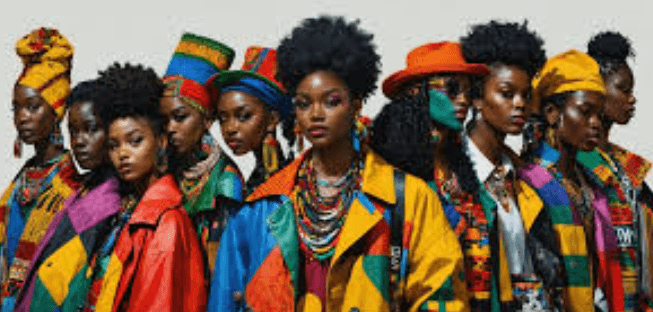
Color, texture, and silhouette function as nonverbal indicators of mood in fashion. Colors shift perceived energy; textures suggest tactility and weather of emotion; silhouettes encode confidence or vulnerability without words. Wardrobe salience emerges when fit and detail align with inner states, offering clues about resilience or fragility. A practical, emotion-aware capsule can maintain mood alignment across daily routines, yet the balance between freedom and constraint remains nuanced. This tension invites further examination.
Color psychology plays a pivotal role in shaping mood through fashion, as hues can subtly cue emotional responses and influence perceived temperament. In this lens, color theory informs choices, linking palettes to affective intent. Observers interpret ensembles through mood mapping, translating shade to psychological state. The approach remains empirical, yet invites freedom—recognizing subjective nuance without sacrificing measurable patterns.
Textures and silhouettes act as tactile and visual proxies for internal weather, translating mood into physical form through surface, weight, and contour. The analysis notes how texture mood shifts with context, while the silhouette whisper communicates nuance without proclamation. Observers trace lines and textures to interpret shifting states, fostering freedom in self-representation through deliberate, empirical styling choices.
Wardrobe salience explores how clothing signals inner states—confidence, vulnerability, and resilience—through deliberate choices about fit, structure, and detail. The analysis treats garments as externalized affect, where confidence cues appear in tailored lines and restrained ornament, while vulnerability signals emerge through softer textures and adaptive silhouettes. Resilience is read in versatile, durable ensembles, balancing self-presentation with contextual demands.
A practical approach to an emotionally aware capsule wardrobe begins with a concise audit of needs, contexts, and daily rituals, then translates those insights into a pared-down collection that remains adaptable across situations. The method pairs color mood with functional controls, aligning fabrics and silhouettes as tactile armor while preserving freedom, simplicity, and intentionality in choice, assessment, and ongoing refinement.
See also: What Are Smart Contracts?
Cultural norms shape emotional expression through fashion perception, creating varied responses; the cross cultural impact reveals that garments serve as signals, with rituals and status influencing affective meaning, while individuals interpret style through context, beliefs, and social expectations.
Fashion can influence moments of social vulnerability beyond clothing by shaping environments and interactions, where bold mood shifts and nonverbal cue impact alter perceived safety, trust, and openness, guiding others’ responses through subtle, empirically observable dynamics.
Accessories carry distinct emotional signals separate from garments, with higher immediacy and portability; a case study shows a red scarf triggering perceived warmth in strangers. This illustrates accessory symbolism within garment psychology, shaping social perception and personal agency.
Climate mood shifts steer wardrobe choices, as temperature, humidity, and light recalibrate perceived color and texture. Environment driven aesthetics emerge when individuals test boundaries, balancing protection with expression, revealing a measured, empirical adaptation that honors personal freedom and sensibility.
A recent meta-analysis shows 32% variance in perceived mood from attire. Indeed, a science-based method exists: standardized mood scales paired with objective styling cues. It quantifies two word idea 1, two word idea 2, linking choice, affect.
Informed by color cues, texture signals, and silhouette grammar, the emotion-aware wardrobe translates inner weather into outward evidence. The approach blends empirical insight with personal nuance, revealing how daily choices map mood to meaning. A capsule built with intention becomes a compass, guiding mood alignment without rigidity. Like a conductor’s baton, small sartorial shifts orchestrate resilience, vulnerability, and confidence, inviting consistent self-knowledge. In this fashion science, one sees the self—clarified, steadied, and quietly radiant.